Frequently Asked Questions
Can coconut oil pulling whiten teeth?
Coconut oil pulling may remove some surface stains from teeth but isn't a very effective teeth whitener. It binds to bacteria on teeth, removing some stains. However, it's more of a preventative measure for oral health rather than a direct teeth whitening solution.
What is the best way to whiten teeth?
The best way to whiten teeth is through professional whitening treatments at the dentist's office, using custom whitening gel trays, or whitening toothpaste with hydroxyapatite. These methods offer effective and safe whitening results, avoiding potential risks associated with other methods like UV lights or harsh abrasives.
What is the best way to whiten teeth in older people?
The best way to whiten teeth in older people is through professional teeth whitening treatments at the dentist's office. These treatments offer fast and effective results, whitening teeth from the inside out under the supervision of a dentist. Additionally, maintaining good oral hygiene practices and avoiding staining foods and tobacco products can help prevent further discoloration.
What is the best and fastest way to whiten teeth?
The best and fastest way to whiten teeth is through professional teeth whitening treatments at your dentist's office. These treatments offer quick results, whitening teeth from the inside out in just 1-3 sessions of 30-60 minutes each. While more expensive, professional whitening is supervised, reducing the risk of damage compared to at-home methods.
Can you get your teeth whitened with bonding?
Bonding is not a teeth whitening method. It involves applying a tooth-colored resin to repair chipped, decayed, or discolored teeth. For whitening, consider professional treatments, whitening toothpaste, or whitening strips instead. Bonding can match the color of your natural teeth but doesn't whiten them.
How can you get rid of white spots on your teeth?
White spots on teeth can be caused by various factors, including mineral loss, enamel hypoplasia, or excessive fluoride intake during tooth development. To address white spots, consider professional treatments like microabrasion, resin infiltration, or dental veneers. Maintaining good oral hygiene and using fluoride toothpaste can also help prevent white spots.
What is the best way to whiten your teeth naturally?
The best way to naturally whiten teeth is by using baking soda, oil pulling, and maintaining good oral hygiene practices like brushing, flossing, and scraping the tongue. Avoiding staining foods and drinks, quitting smoking, and regular dental checkups also help maintain a bright smile.
What is the best way to whiten your teeth at home?
The best way to whiten your teeth at home is by using whitening toothpaste, custom whitening gel trays, or whitening strips. These methods are effective, safe, and offer noticeable results. Additionally, maintaining good oral hygiene practices and avoiding staining foods and tobacco products can help prevent teeth yellowing.
What is the fastest and best way to whiten teeth at home?
The fastest and best way to whiten teeth at home is by using professional whitening gel trays. These custom trays offer the best results at a lower cost than professional treatments, with minimal risk of sensitivity or gum damage. They provide long-lasting and sustainable whitening effects when used correctly.
Is activated charcoal the best way to whiten your teeth?
Activated charcoal is a popular ingredient in whitening toothpaste due to its ability to remove surface stains. However, it may be too abrasive for daily use and can wear down enamel over time. It's best to use activated charcoal toothpaste sparingly and consult with a dentist for personalized advice on teeth whitening methods.
Does drinking coffee undo teeth whitening?
Drinking coffee can stain teeth and potentially undo teeth whitening results over time. The dark pigments in coffee can lead to discoloration, especially after whitening treatments. It's advisable to limit coffee consumption or use a straw to minimize contact with teeth post-whitening. Regular dental hygiene practices can help maintain whitening effects.
Do you brush your teeth before using whitening strips?
It is recommended to brush your teeth before using whitening strips to ensure the surface is clean for better whitening results. Brushing helps remove any plaque or debris that could interfere with the whitening process, allowing the strips to adhere properly and work effectively.
What is the best natural way to whiten teeth home remedies?
The best natural way to whiten teeth at home is by using baking soda mixed with water as a DIY toothpaste. This method is inexpensive, non-toxic, and mildly abrasive, helping to remove surface stains and plaque. Additionally, oil pulling with coconut oil can aid in stain removal and overall oral health.
What is the best way to whiten your teeth fast?
The best way to whiten your teeth fast is through professional teeth whitening treatments at your dentist's office. These treatments use high concentrations of carbamide or hydrogen peroxide to whiten teeth quickly and effectively. While more expensive, professional whitening offers immediate results and is supervised by a dentist to minimize risks.
What is the best and safest way to whiten your teeth?
The best and safest way to whiten your teeth is by using whitening toothpaste, getting professional tooth whitening treatments, or using custom whitening gel trays. These methods are effective and supervised by dental professionals to ensure safety and optimal results.
Do teeth whitening strips help?
Teeth whitening strips can help whiten teeth by removing surface stains. However, they may cause uneven whitening, soft tissue damage, and increased tooth sensitivity. It's essential to follow instructions carefully and consider potential risks before using whitening strips.
What is the best way to whiten teeth at the dentist?
The best way to whiten teeth at the dentist is through professional teeth whitening treatments. These treatments involve 1-3 sessions of 30-60 minutes each, using a high concentration of carbamide or hydrogen peroxide to whiten teeth from the inside out. While expensive, professional whitening offers fast and supervised results with reduced risks compared to at-home methods.
Do I need calcium for my teeth to get white?
Calcium is essential for strong teeth but does not directly whiten them. It helps maintain enamel health, preventing yellowing. Whitening toothpaste and professional treatments are more effective for teeth whitening.
Can yellow teeth turn white again?
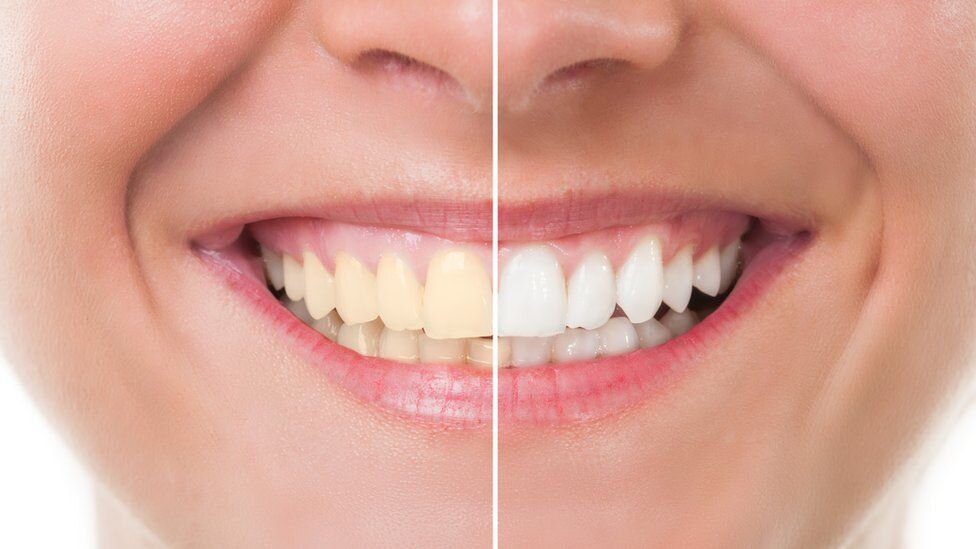
Yellow teeth can be whitened using whitening toothpaste, professional treatments, custom whitening trays, whitening strips, baking soda, and good oral hygiene practices. Avoid harmful methods like UV lights and excessive peroxide use. Veneers are an option for permanent discoloration.
Do teeth whitening trays from the dentist work?
Yes, teeth whitening trays from the dentist work effectively to whiten teeth. Custom whitening gel trays provide professional results at a lower cost than in-office treatments. They are safe, protect gum tissue, and offer long-lasting whitening benefits when used as directed.
Can you whiten teeth with a chipped tooth?
Whitening a chipped tooth is not recommended. The whitening agents can seep into the tooth through the chip, causing sensitivity and potential damage. It's best to consult a dentist for appropriate treatment options for a chipped tooth before considering whitening procedures.
What is the best way to whiten teeth professionally?
The best way to whiten teeth professionally is through custom whitening gel trays. These trays offer the best results at a lower cost than in-office treatments, are safe for long-term use, and protect sensitive gum tissue. Custom trays can be part of Invisalign treatment and use lower percentages of peroxide to minimize sensitivity.
What is the best way to whiten your teeth other than whitestrips?
The best way to whiten your teeth other than whitestrips is to consider professional teeth whitening treatments at your dentist's office. These treatments offer fast and effective results, whitening teeth from the inside out under the supervision of a dental professional. While more expensive than at-home options, professional whitening ensures safety and lasting whitening effects.
Does DentA 5000 Plus whiten teeth?
DentA 5000 Plus is a toothpaste that focuses on strengthening enamel and preventing cavities rather than whitening teeth. It contains fluoride and hydroxyapatite, which help with enamel health but do not have intrinsic whitening properties. For teeth whitening, consider using a whitening toothpaste or professional whitening treatment instead.
What is the best way to whiten teeth at home?
The best way to whiten teeth at home includes using whitening toothpaste, custom whitening gel trays, and whitening strips. Additionally, practicing good oral hygiene, avoiding staining foods, and quitting smoking can help maintain a bright smile. Avoid harmful methods like UV lights and excessive peroxide use.
How can I get my teeth all white after having braces removed and having calcification?
After having braces removed and dealing with calcification, consider professional teeth whitening treatments, custom whitening gel trays, or veneers for a permanent solution. Avoid harmful methods like UV, LED, laser, or halogen teeth whitening, which can damage teeth. Maintain good oral hygiene to prevent further discoloration.
How can I get white teeth fast?
To get white teeth fast, consider using whitening toothpaste with ingredients like hydrogen peroxide or baking soda. Professional teeth whitening treatments at the dentist's office can provide quick results. Custom whitening gel trays or whitening strips are also effective options. Avoid harmful methods like UV or laser teeth whitening.
How can I get my teeth white at home?
To whiten teeth at home, use whitening toothpaste, consider electric toothbrushes, get professional whitening treatments, use custom whitening gel trays, try whitening strips, utilize baking soda, and maintain good oral hygiene practices. Avoid harmful methods like UV lights, lasers, and harsh chemicals for safe whitening results.
At what age can you get teeth whitening?
Teeth whitening is generally safe for individuals aged 14 and older, but it's best to consult with a dentist before starting any whitening treatment, especially for younger individuals. Professional supervision ensures safety and effectiveness.
What is the best way to get teeth whitened?
The best way to get teeth whitened is through professional whitening treatments at your dentist's office, which offer fast and effective results. Additionally, using whitening toothpaste, custom whitening gel trays, and avoiding harmful methods like UV lights or excessive peroxide can help achieve a brighter smile safely.
How can I get rid of white lines on my teeth?
White lines on teeth can be caused by enamel hypoplasia, fluorosis, or demineralization. To address this issue, consider professional teeth whitening, custom whitening trays, or veneers. Avoid harmful methods like UV lights or lasers. Maintain good oral hygiene and consult a dentist for personalized advice.
Can lemon water whiten teeth?
Lemon water can erode enamel due to its high acidity, leading to yellowing. It's not an effective or safe teeth whitening method. Avoid using lemon water for teeth whitening to prevent damage to your enamel and maintain oral health.
How can I get white teeth?
To get white teeth, consider using whitening toothpaste with ingredients like peroxide and abrasives, getting professional whitening treatments, using custom whitening trays, trying whitening strips, and maintaining good oral hygiene practices. Avoid harmful methods like UV lights and excessive peroxide use.
What are the best ways to whiten your teeth?
The best ways to whiten teeth include using whitening toothpaste, professional treatments, custom whitening trays, whitening strips, and maintaining good oral hygiene practices. Avoid harmful methods like UV lights and excessive use of peroxide. Consult a dentist for personalized recommendations.
Does baking soda work to whiten teeth?
Yes, baking soda can help whiten teeth as it is mildly abrasive and removes surface stains effectively. It is best used in combination with fluoride and hydrogen peroxide for optimal results. Baking soda is inexpensive, widely available, and non-toxic, making it a popular natural teeth whitening option.
Can milk whiten your teeth?
Milk does not whiten teeth. While it contains calcium and vitamin D for dental health, it does not have whitening properties. Whitening toothpaste or professional treatments are more effective for teeth whitening.
Does coal whiten teeth?
Coal does not whiten teeth. It is abrasive and can damage enamel. Avoid using coal for teeth whitening to prevent harm to your oral health. Stick to safe and effective whitening methods recommended by dental professionals.
Can everyones teeth be whitened?
Not everyone's teeth can be whitened, especially if there is permanent damage or intrinsic discoloration. Veneers may be an option for those with severe staining that cannot be corrected through traditional whitening methods. It's essential to consult with a dentist to determine the best approach for individual cases.
Can whitening strips hurt your teeth?
Whitening strips can potentially hurt your teeth by causing uneven whitening, soft tissue damage, increased sensitivity, and excruciating pain if applied incorrectly or to a tooth with an open cavity. It's crucial to follow instructions carefully and consult a dentist before use to minimize risks.
What is the best way to whiten teeth after braces?
The best way to whiten teeth after braces is to use custom whitening gel trays. These trays provide professional results at a lower cost, are safe for sensitive gums, and can be included as part of Invisalign treatment. Additionally, they offer long-lasting and sustainable whitening effects.
Does banana peels whiten teeth?
Banana peels contain minerals like potassium, magnesium, and manganese, which may help whiten teeth naturally. Rubbing the inside of a banana peel on teeth for a few minutes daily could potentially reduce surface stains over time. However, scientific evidence supporting this method is limited.
Can keto diet whiten teeth?
A keto diet alone does not directly whiten teeth. However, avoiding sugary foods and beverages on a keto diet can help prevent tooth decay and yellowing. Good oral hygiene practices, like brushing and flossing, are essential for maintaining white teeth while on a keto diet.
Does coconut oil whiten your teeth?
Coconut oil may remove some surface stains from teeth but is not a very effective teeth whitener. It can bind to bacteria on the teeth, aiding in stain removal and prevention. However, its primary benefit lies in overall oral health rather than significant whitening effects.
What is the best and cheapest way to whiten your teeth?
The best and cheapest way to whiten teeth is by using whitening toothpaste, which costs $5-30 per tube. Whitening toothpaste can effectively remove surface stains and offer a brighter smile. Additionally, DIY baking soda toothpaste is an inexpensive option for extrinsic whitening.
Does coconut oil and baking soda whiten teeth?
Coconut oil and baking soda may help remove some surface stains from teeth, but they are not very effective teeth whiteners. Coconut oil can bind to bacteria and remove some stains, while baking soda is mildly abrasive. However, for more significant whitening results, professional treatments or whitening toothpaste may be more effective.
Can a dentist whiten your teeth?
Yes, a dentist can whiten your teeth through professional teeth whitening treatments, custom whitening gel trays, and veneers. Professional whitening offers fast and effective results, while custom trays provide long-lasting whitening. Veneers are a permanent solution for teeth discoloration. Avoid ineffective methods like UV, LED, laser, or halogen teeth whitening.
Do teeth whitening rinses work?
Teeth whitening rinses can help maintain whiteness by removing surface stains. However, they are not as effective as professional treatments for significant whitening. It's best to use them as part of a comprehensive oral care routine for maintenance rather than expecting dramatic whitening results.
Does a waterpik whiten teeth?
A Waterpik does not whiten teeth. It is primarily used for removing plaque and debris between teeth and along the gumline, promoting overall oral health but not specifically whitening teeth. For teeth whitening, consider using whitening toothpaste, professional treatments, or other whitening methods.
What is the best natural way to whiten teeth?
The best natural way to whiten teeth is by using baking soda, oil pulling, and maintaining good oral hygiene practices. Baking soda is inexpensive and mildly abrasive, aiding in removing surface stains. Oil pulling with coconut oil can help prevent plaque buildup, reducing teeth yellowing. Good oral hygiene, including brushing, flossing, and tongue scraping, is essential for healthy, white teeth.
Can stained teeth be whitened?
Stained teeth can be whitened using whitening toothpaste, professional treatments, custom whitening trays, whitening strips, and good oral hygiene practices. Avoid ineffective methods like UV lights and harsh chemicals. Consult a dentist for safe and effective whitening options.
Can your teeth get white again?
Yes, teeth can be whitened using various methods such as whitening toothpaste, professional treatments, custom whitening trays, whitening strips, and good oral hygiene practices. Avoid harmful methods like UV lights and prioritize safe and effective whitening options for a brighter smile.
How did Chumlee get his teeth so white?
Chumlee likely achieved his white teeth through professional whitening treatments, whitening toothpaste, or custom whitening gel trays. These methods are safe and effective for whitening teeth. It's essential to avoid harmful methods like UV lights or excessive peroxide use.
Can I brush my teeth after using Crest whitening strips?
It is recommended to wait at least 30 minutes after using Crest whitening strips before brushing your teeth to allow the whitening effects to fully set in. Brushing immediately after may reduce the effectiveness of the strips.
Can you whiten your teeth with baking soda and aluminum foil?
Whitening teeth with baking soda and aluminum foil is not recommended. Baking soda can be abrasive, potentially damaging enamel. Aluminum foil can cause a chemical reaction, leading to tooth sensitivity or other issues. It's safer to use dentist-approved methods for teeth whitening.
How do dentists get teeth so white?
Dentists achieve white teeth through professional whitening treatments, custom whitening trays, and veneers. Professional whitening sessions use high-concentration peroxide gels, while custom trays offer long-lasting results. Veneers are a permanent solution for discoloration. Avoid ineffective methods like UV lights and harmful products for safe whitening.
Are teeth whitening strips safe?
Teeth whitening strips are generally safe when used as directed. However, they may cause tooth sensitivity, soft tissue damage, or pain if not applied correctly. It's essential to follow instructions carefully and consult a dentist if any issues arise.
Can you whiten your teeth?
Yes, you can whiten your teeth using various methods such as whitening toothpaste, professional treatments, custom whitening trays, whitening strips, baking soda, and good oral hygiene practices. Avoid harmful methods like UV lights or lasers for teeth whitening.
Can I use baking soda and peroxide to whiten my teeth?
Yes, you can use baking soda and peroxide to whiten your teeth. Baking soda is mildly abrasive and can help remove surface stains, while peroxide can whiten teeth effectively. However, it's essential to use them in moderation to avoid potential sensitivity or damage to your teeth.
How can I get my teeth really white?
To get your teeth really white, consider using whitening toothpaste with ingredients like hydrogen peroxide or hydroxyapatite. Professional whitening treatments at the dentist's office or custom whitening gel trays are effective options. Avoid harmful methods like UV lights or excessive peroxide use. Consistent oral hygiene and avoiding staining foods can also help maintain white teeth.
What is the best way to whiten teeth fast?
The best way to whiten teeth fast is through professional teeth whitening treatments at your dentist's office. These treatments use high concentrations of carbamide or hydrogen peroxide to whiten teeth quickly and effectively, providing visible results after just one session.
Does apple cider vinegar whiten teeth?
Apple cider vinegar is acidic and can erode tooth enamel, leading to weakened teeth and potential yellowing. It is not a safe or effective method for whitening teeth. It's best to avoid using apple cider vinegar for teeth whitening to protect your oral health.
Can I use peroxide on my teeth to whiten?
It is not recommended to use peroxide directly on your teeth to whiten them. Overuse of peroxide can lead to tooth sensitivity, damage to tooth pulp, and abnormal lesions on teeth. It's safer to opt for professional whitening treatments or whitening toothpaste containing peroxide in controlled amounts.
Can you get actual white teeth without veneers?
Yes, you can achieve white teeth without veneers through various methods such as whitening toothpaste, professional whitening treatments, custom whitening gel trays, whitening strips, baking soda, and good oral hygiene practices. These methods can help whiten teeth effectively and safely without the need for veneers.
Can hydrogen peroxide whiten your teeth?
Hydrogen peroxide can whiten teeth effectively when used in whitening toothpaste or professional treatments. It is a common ingredient in many teeth whitening products due to its ability to remove surface stains and brighten teeth. However, overuse of hydrogen peroxide can lead to tooth sensitivity and other oral health issues, so it's essential to follow recommended guidelines for safe and effective whitening.
Is going to a dentist the best way to whiten teeth?
Going to a dentist is one of the best ways to whiten teeth, offering professional treatments like whitening sessions and custom gel trays. Dental checkups also ensure overall oral health, preventing yellowing and damage to teeth.
Do apples whiten your teeth?
Apples do not directly whiten teeth. They contain malic acid, which may help remove surface stains, but it's not a substitute for professional whitening methods. Apples can contribute to overall oral health but won't provide significant whitening effects on their own.
Do strawberries whiten your teeth?
Strawberries contain malic acid, which may help whiten teeth by removing surface stains. However, excessive use can damage enamel. It's best to consult a dentist before using strawberries for teeth whitening.
Is laser the best way to whiten teeth?
Laser teeth whitening is a professional method that can provide quick results, but it may increase tooth sensitivity and is not necessarily the best option for everyone. Other effective teeth whitening methods include whitening toothpaste, professional treatments, custom whitening trays, and avoiding staining foods and habits like smoking.
Can tartar teeth get white again?
Tartar on teeth cannot be whitened with regular brushing or whitening treatments. Professional dental cleaning is required to remove tartar buildup and restore the natural color of teeth. Regular oral hygiene practices can prevent tartar formation and maintain white teeth.
Do teeth whitening lights work?
Teeth whitening lights, including UV, LED, laser, or halogen, are not proven to be effective in whitening teeth. These methods can increase the risk of tooth sensitivity and damage without providing significant whitening results. It's best to opt for professional treatments or proven whitening products for safe and effective results.
Does activated charcoal really whiten teeth?
Activated charcoal can help whiten teeth by removing surface stains. It works as a mild abrasive, absorbing substances that cause discoloration. However, it may not be suitable for long-term use as it can be abrasive and potentially damaging to enamel. It's best to use activated charcoal toothpaste sparingly and consult with a dentist for personalized advice.
Do teeth whitening kits damage your teeth?
Teeth whitening kits can potentially damage teeth if overused or if they contain high levels of peroxide. It's essential to follow instructions carefully and not exceed recommended usage to avoid harming tooth enamel or causing sensitivity. Consulting with a dentist before using any whitening kit is advisable to ensure safety and effectiveness.
How can I get my teeth white fast?
To whiten teeth quickly, consider using whitening toothpaste, professional treatments, custom whitening trays, and whitening strips. Avoid harmful methods like UV lights. Maintain good oral hygiene practices and limit staining foods and tobacco use for long-term results. Veneers are an option for permanent discoloration.
What is the best way to whiten your teeth?
The best way to whiten teeth is through professional treatments at the dentist's office, using custom whitening gel trays, or whitening toothpaste. Avoid harmful methods like UV lights or excessive peroxide use. Good oral hygiene and avoiding staining foods also help maintain white teeth.
Does baking soda really whiten teeth?
Baking soda can help whiten teeth as it is mildly abrasive and removes plaque. However, it is most effective when combined with fluoride and hydrogen peroxide in toothpaste formulations. Using baking soda alone may not provide as significant whitening results compared to using it in a complete toothpaste.
How can my teeth get white?
To whiten your teeth, consider using whitening toothpaste, professional treatments, custom whitening trays, whitening strips, baking soda, and good oral hygiene practices. Avoid harmful methods like UV lights and excessive peroxide. Consult your dentist for the best whitening options tailored to your needs.
What is the best professional way to whiten teeth?
The best professional way to whiten teeth is through custom whitening gel trays. These trays offer the best results at a lower cost than in-office treatments, are safe for long-term use, and protect sensitive gum tissue. Custom trays can be part of Invisalign treatment and use lower percentages of peroxide to minimize sensitivity.
Does getting your teeth cleaned whiten them?
Getting your teeth cleaned at the dentist can help remove surface stains and tartar, making your teeth appear whiter. However, professional cleaning does not change the intrinsic color of your teeth. For intrinsic whitening, consider treatments like whitening toothpaste, professional whitening, or custom whitening trays.
Can you use whitening strips on capped teeth?
Whitening strips are not recommended for use on capped teeth as they may not whiten the artificial material used in the caps, leading to uneven coloration. It's best to consult with your dentist for safe and effective whitening options for capped teeth.
Can you whiten stained teeth?
Yes, you can whiten stained teeth using whitening toothpaste, professional treatments, custom whitening trays, whitening strips, baking soda, and good oral hygiene practices. Avoid harmful methods like UV lights and be cautious with overuse of peroxide-based products to prevent damage.
Does dental insurance cover teeth whitening?
Dental insurance typically does not cover cosmetic procedures like teeth whitening. However, if the whitening is deemed medically necessary due to certain conditions, insurance may provide partial coverage. It's best to check with your specific insurance provider for details on coverage.
Can I get white crowns on yellow teeth?
Yes, you can get white crowns to cover yellow teeth. Veneers are a permanent solution that can completely change the appearance of discolored teeth. However, veneers are costly, not reversible, and require altering the natural teeth shape.
How effective is oil pulling for teeth whitening?
Oil pulling is not very effective for teeth whitening but can help with oral hygiene. It may remove some surface stains due to its ability to bind to bacteria on teeth. However, it's more of a preventative measure against plaque buildup rather than a direct teeth whitening method.
Does turmeric help in teeth whitening?
Turmeric is not recommended for teeth whitening as it can stain teeth yellow. It is more likely to cause discoloration rather than whiten teeth. Stick to proven whitening methods like whitening toothpaste, professional treatments, or custom whitening trays for effective results.
Can strawberries naturally whiten your teeth?
Strawberries contain malic acid, which may help whiten teeth. However, their natural sugars and acidity can also damage enamel. Brushing immediately after eating strawberries can prevent staining. Professional whitening treatments are more effective for significant whitening.
What DIY mixtures work for whitening teeth?
Mix 2 teaspoons of water with a teaspoon of baking soda for an effective and inexpensive DIY teeth whitening mixture. Baking soda is mildly abrasive and can help remove surface stains when used in a toothpaste formulation. It's a non-toxic option that can aid in whitening and strengthening enamel when combined with fluoride and hydrogen peroxide.
Are teeth whitening toothpastes effective?
Yes, whitening toothpastes are effective at removing surface stains, offering a brighter smile. Hydroxyapatite toothpaste can intrinsically whiten teeth. However, they do not bleach teeth. Whitening strips, professional treatments, and custom trays provide more significant whitening results.
How safe are home whitening kits?
Home whitening kits can be safe if used correctly, following the instructions provided. However, overuse or improper application can lead to tooth sensitivity, gum irritation, or enamel damage. It's essential to consult with a dentist before starting any whitening treatment to ensure it's suitable for your oral health.
Can whitening harm tooth enamel?
Whitening toothpaste and treatments can harm tooth enamel if overused or if they contain high levels of peroxide. Abrasive toothpaste can also damage enamel. Professional whitening under dentist supervision minimizes risks. Avoid UV, LED, or laser whitening methods as they can harm enamel.
Are whitening effects from baking soda long-lasting?
Whitening effects from baking soda are not long-lasting on their own. Baking soda is best used in combination with fluoride and hydrogen peroxide in a full toothpaste formulation for sustained whitening and enamel strength. It is only mildly abrasive and removes plaque, aiding in preventing tooth decay.
How often should you use whitening strips?
It is recommended to use whitening strips as directed by the manufacturer, typically once a day for a specified period, such as 5-30 minutes per session. Overuse can lead to sensitivity and damage, so following the instructions is crucial for safe and effective whitening.
Does whitening toothpaste cause tooth sensitivity?
Whitening toothpaste can cause tooth sensitivity, especially if it contains high levels of peroxide. Abrasives in some whitening toothpastes may also increase sensitivity. It's essential to use these toothpastes in moderation and consult a dentist if sensitivity persists.
What foods naturally whiten teeth?
Some foods that naturally whiten teeth include:
Strawberries
Pineapple
Apples
Carrots
Celery
Broccoli
Can whitening damage dental restorations?
Whitening treatments can potentially damage dental restorations like veneers. The bleaching agents in whitening products may affect the color of existing restorations, leading to mismatched shades. It's essential to consult with a dentist before whitening if you have dental restorations to avoid any adverse effects.
How long do teeth whitening effects last?
Teeth whitening effects from professional treatments typically last 2-7 days, with some fading after. Whitening strips may show results within days or weeks, but longevity varies. Custom trays offer longer-lasting results, while whitening toothpaste and DIY methods provide temporary effects. Regular oral hygiene helps maintain whitening results.
Are laser whitening treatments safe?
Laser whitening treatments are generally safe when performed by a trained dental professional. However, there are some risks associated with these treatments, such as increased tooth sensitivity and potential damage to the gums if not done correctly. It's essential to consult with your dentist to determine if laser whitening is suitable for you.
What causes teeth to discolor over time?
Teeth discolor over time due to smoking, bruxing, staining foods/drinks, and aging enamel. Whitening toothpaste, professional treatments, custom trays, whitening strips, and good oral hygiene can help combat discoloration. Avoid harmful methods like UV lights and excessive peroxide use.
Can braces lead to uneven teeth coloration?
Braces can lead to uneven teeth coloration due to difficulty in cleaning around the brackets and wires. This can result in areas of discoloration once the braces are removed. Proper oral hygiene during orthodontic treatment can help minimize this issue.
Are there any risks to teeth bleaching?
There are risks associated with teeth bleaching, including tooth sensitivity, gum irritation, and potential damage to tooth enamel if overused. It's essential to follow instructions carefully and consult with a dentist before undergoing any teeth whitening treatment to minimize these risks.
Can tea and wine affect teeth whiteness?
Tea and wine can stain teeth, affecting their whiteness. The tannins in tea and the chromogens in wine can lead to discoloration over time. It's advisable to consume these beverages in moderation and practice good oral hygiene to minimize their impact on teeth whiteness.
Does age affect the effectiveness of whitening?
Age can impact the effectiveness of whitening treatments. As people age, their enamel naturally wears down, making teeth more prone to yellowing. Older individuals may require more intensive whitening methods to achieve desired results compared to younger individuals. It's essential to consider age-related factors when choosing whitening options.
How to maintain teeth whiteness after treatment?
To maintain teeth whiteness after treatment, use whitening toothpaste, avoid staining foods and drinks, get regular dental checkups, practice good oral hygiene, and consider custom whitening gel trays for long-lasting results. Avoid harmful methods like UV lights and excessive peroxide use.
Are there whitening treatments for sensitive teeth?
Yes, there are whitening treatments suitable for sensitive teeth, such as custom whitening gel trays with lower percentages of peroxide (10%) to minimize sensitivity. Additionally, hydroxyapatite toothpaste is a safe option for long-term whitening without causing sensitivity.
Whats the average cost of professional whitening?
The average cost of professional teeth whitening ranges from $650 to $1250 per session.
Can natural oils whiten teeth?
Natural oils like coconut oil used in oil pulling may help remove some surface stains from teeth, but they are not very effective at whitening teeth. Oil pulling is more beneficial for overall oral health and preventing plaque buildup rather than specifically whitening teeth.
Which herbs promote teeth whitening?
Some herbs that may promote teeth whitening include:
Activated charcoal
Baking soda
Coconut oil
How does vitamin D affect teeth whiteness?
Vitamin D does not directly affect teeth whiteness. It primarily plays a role in maintaining healthy teeth and bones by aiding in the absorption of calcium and phosphorus. While it contributes to overall oral health, it does not have a direct impact on the color or whiteness of teeth.
Can enamel rebuilding improve teeth whiteness?
Enamel rebuilding can improve teeth whiteness by repairing damage and strengthening enamel, which can help reduce yellowing and discoloration. Techniques like hydroxyapatite toothpaste and professional whitening treatments can aid in this process, enhancing the overall whiteness of teeth.
Do electric toothbrushes help in teeth whitening?
Electric toothbrushes primarily aid in extrinsic whitening by removing surface stains. They are associated with better protection against tooth decay but do not intrinsically whiten teeth. Overbrushing can lead to gum recession or sensitivity. While they can improve oral health, electric toothbrushes alone may not significantly whiten teeth.
How to prevent teeth stains while drinking coffee?
To prevent teeth stains while drinking coffee, consider these tips:
Use a straw to minimize contact with teeth
Brush teeth or rinse mouth with water after drinking
Chew sugar-free gum to stimulate saliva production
Regular dental cleanings to remove stains
Consider whitening toothpaste or professional treatments
Whats the role of fluoride in teeth whitening?
Fluoride in teeth whitening toothpaste helps prevent tooth decay and strengthens enamel. It does not directly whiten teeth but contributes to overall oral health and protection against stains. Fluoride is essential for maintaining healthy teeth and plays a crucial role in preventing cavities.
Can dental veneers provide permanent whitening?
Dental veneers can provide a permanent solution for whitening teeth by covering any permanent discoloration. Veneers are not a teeth whitening method but rather a cosmetic restoration that can change the appearance of yellow teeth permanently. However, veneers require permanent alteration to the natural teeth shape and can be expensive.
Does teeth whitening work on all stains?
Teeth whitening works on surface stains caused by smoking, foods, and drinks. However, intrinsic stains from aging enamel may require professional treatment. Whitening toothpaste, strips, and professional treatments are effective for most stains, but severe discoloration may need veneers or other restorative options.
Can regular hygienist visits improve teeth color?
Regular hygienist visits can improve teeth color by removing tartar and plaque buildup, preventing surface stains, and catching oral diseases early. This helps maintain healthy teeth, slowing down yellowing and promoting overall oral health.
Are there any teeth whitening scams to avoid?
Avoid teeth whitening scams like UV, LED, laser, or halogen treatments. These methods can be ineffective or harmful. Stick to proven whitening options like whitening toothpaste, professional treatments, custom trays, and good oral hygiene practices for safe and effective results.
How can I whiten teeth without increasing sensitivity?
To whiten teeth without increasing sensitivity, consider using whitening toothpaste with low abrasivity, opting for custom whitening gel trays with lower peroxide percentages, and practicing good oral hygiene habits like brushing and flossing regularly. Avoid harsh methods like UV lights or high-percentage peroxide gels that can lead to sensitivity.
What teeth whitening options are there for smokers?
For smokers looking to whiten their teeth, options include whitening toothpaste, professional whitening treatments, custom whitening gel trays, and veneers. It's important to quit smoking to prevent further staining and damage to teeth. Avoid UV, LED, laser, or halogen teeth whitening methods as they can be ineffective or harmful.
How does smoking affect teeth color?
Smoking causes external tooth staining and premature yellowing of teeth. It also leads to dry mouth, which ages tooth enamel and harms oral health. Quitting smoking and tobacco products can prevent tooth damage, including yellowing and weakened enamel.
Can you whiten teeth without harsh chemicals?
Yes, you can whiten teeth without harsh chemicals using natural methods like whitening toothpaste, oil pulling, and baking soda. These methods are effective in removing surface stains and promoting oral health without the use of strong chemicals.
Do whitening gums really work?
Whitening gums are not as effective as other whitening methods. They may help freshen breath and reduce plaque but do not significantly whiten teeth. For noticeable whitening, consider professional treatments or whitening toothpaste.
Can certain mouthwashes discolor teeth?
Certain mouthwashes, especially those containing antibacterial agents or hydrogen peroxide, can potentially contribute to tooth discoloration. It is advisable to avoid or limit the use of antibacterial mouthwashes and hydrogen peroxide rinses to prevent teeth staining. Maintaining good oral hygiene practices is crucial for preventing tooth discoloration.
Whats the whitening potential of hydrogen peroxide?
Hydrogen peroxide has whitening potential as it is commonly used in whitening toothpaste and professional teeth whitening treatments. It effectively removes surface stains from teeth, providing extrinsic whitening benefits. However, overuse of peroxide can lead to issues like abnormal lesions and collagen damage, so it's essential to use it in moderation for safe and effective whitening results.
How does saliva affect teeth whiteness?
Saliva plays a crucial role in maintaining teeth whiteness by naturally washing away food particles and bacteria that can cause staining. It also helps neutralize acids that can erode enamel, contributing to a brighter smile. Additionally, saliva contains minerals like calcium and phosphate that aid in remineralizing and strengthening tooth enamel, promoting overall teeth health and whiteness.
Is teeth whitening recommended for all ages?
Teeth whitening is generally safe for adults, but it may not be suitable for children or teenagers due to their developing teeth. Consult a dentist before whitening for individuals under 18.
Can you whiten only one tooth?
Whitening only one tooth can be challenging as whitening treatments typically affect all teeth uniformly. Targeted whitening may require professional intervention like veneers or bonding to match the shade of a single tooth to the rest. Consult a dentist for personalized advice.
How do stain-removing abrasives work?
Stain-removing abrasives in whitening toothpaste work by physically scrubbing away surface stains on teeth. Ingredients like activated charcoal, baking soda, and silica act as mild abrasives to help remove discoloration caused by smoking, bruxing, and staining foods. These abrasives gently polish the enamel, revealing a brighter smile.
Do UV lights enhance teeth whitening treatments?
UV lights do not enhance teeth whitening treatments in the long term and can increase the risk of sensitive teeth. The added whitening effect from UV lights typically fades after a few days, with no proven lasting benefits. It's best to avoid UV, LED, laser, or halogen teeth whitening methods for optimal oral health.
Whats the safest frequency for teeth whitening?
The safest frequency for teeth whitening varies depending on the method used. Professional treatments should be spaced out with 6-12 months in between sessions to prevent damage. For at-home methods like whitening toothpaste or strips, follow the product instructions and avoid overuse to protect your teeth.
How quickly can you expect whitening results?
Whitening toothpaste can show results in a few weeks, while professional treatments offer immediate whitening after one session. Custom trays and whitestrips may take a few days to weeks for noticeable results. Oil pulling and good oral hygiene prevent stains but do not provide immediate whitening effects.
Can teeth become too white?
Teeth can become too white, leading to unnatural-looking results. Overuse of whitening products, especially those with high peroxide concentrations, can damage enamel, cause tooth sensitivity, and result in a chalky appearance. It's essential to follow recommended guidelines and consult a dentist for safe whitening options.
Does whitening work on dental implants?
Whitening treatments do not work on dental implants as they are made of artificial materials like porcelain or ceramic, which do not respond to traditional whitening methods. It's essential to consult with your dentist for alternative options to maintain the color of your dental implants.
What precautions are necessary after whitening teeth?
After whitening teeth, it is important to avoid staining foods and drinks, limit the use of antibacterial mouthwash, and maintain good oral hygiene practices like brushing, flossing, and scraping the tongue. Additionally, quitting smoking and tobacco products can prevent further yellowing and damage to teeth.
How to choose the right whitening product?
When choosing a whitening product, consider your budget, desired results, and any existing dental issues. Look for products with safe ingredients like hydrogen peroxide or hydroxyapatite. Consult with your dentist for personalized recommendations based on your oral health needs.
Do certain diets promote teeth whitening?
Certain diets can promote teeth whitening by reducing staining foods and drinks, such as red wine and berries, and avoiding tobacco products that cause external tooth staining. Foods like apples, carrots, and celery can help naturally clean teeth, while dairy products like cheese can strengthen enamel. Additionally, drinking water and consuming foods rich in calcium and vitamin C can contribute to a brighter smile.